Identifying and Improving Gut Health Issues
Identifying and Improving Gut Health Issues
The gut is often called the body’s second brain. It plays a crucial role in digesting food, combating harmful bacteria, and supporting overall health. When the gut is not in good shape, it can show through various symptoms. This blog will help identify the red flags of poor gut health and provide practical steps to support and enhance your digestive system.
Signs of Poor Gut Health
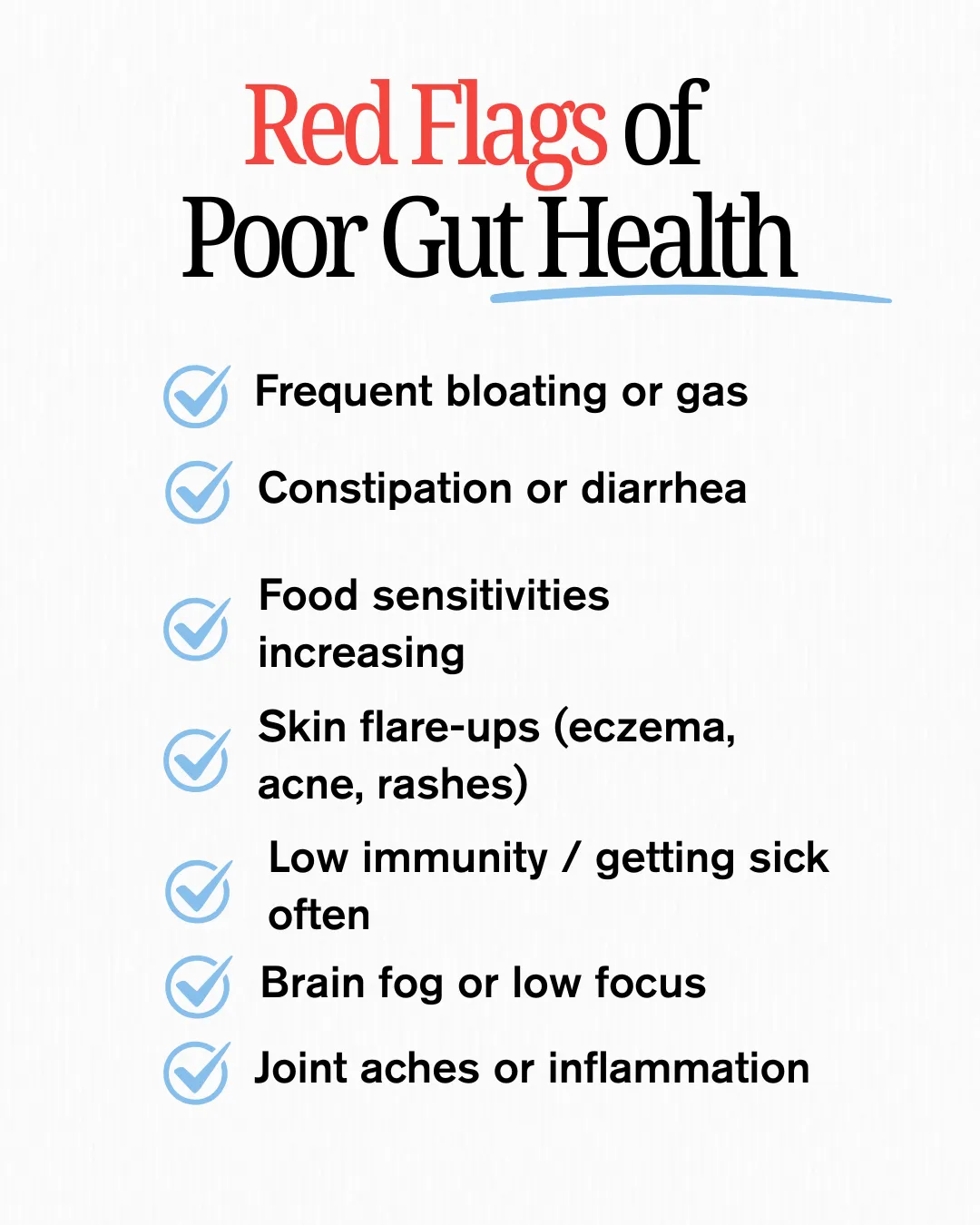
Recognizing poor gut health can help prevent long-term issues. Here are some key red flags:
- Frequent Bloating or Gas: Experiencing bloating or gas regularly can indicate food intolerance or malabsorption.
- Constipation or Diarrhea: Irregular bowel movements can signal an unhappy gut. It's important to monitor these changes.
- Increasing Food Sensitivities: New or worsening food sensitivities suggest that the gut lining may be compromised.
- Skin Flare-Ups (Eczema, Acne, Rashes): Skin conditions often reflect underlying digestive issues, including inflammation.
- Low Immunity/Getting Sick Often: A large portion of our immune system resides in the gut. Frequent illness could mean the gut is struggling.
- Brain Fog or Low Focus: The gut produces crucial neurotransmitters. If compromised, it could affect cognitive functions.
- Joint Aches or Inflammation: Gut inflammation can lead to systemic inflammation, affecting joints.
Tips for Improving Gut Health
Improving gut health doesn’t need to be complicated. Here are five tips that can help:
- Adopt a Balanced Diet: Include whole, unprocessed foods like fruits, vegetables, whole grains, and lean proteins.
- Stay Hydrated: Drinking plenty of water aids digestion and nutrient absorption.
- Incorporate Probiotics: Foods like yogurt, kefir, and fermented vegetables can promote healthy gut bacteria.
- Limit Sugar and Processed Foods: These can disrupt the balance of bacteria in the gut.
- Exercise Regularly: Physical activity can enhance the diversity of the gut microbiota and improve digestive health.
When to Consult a Professional
If symptoms persist despite lifestyle changes, it might be time to seek professional advice. A healthcare provider can offer diagnostic tests and personalized strategies.
Conclusion
The gut is central to our overall wellness. By paying attention to the signs of poor gut health and making proactive changes, we can significantly enhance our quality of life. Remember, minor adjustments can lead to significant health improvements. Listen to your body and give your gut the attention it deserves.
