Mastering SMART Goals for Health Success
Mastering SMART Goals for Health Success
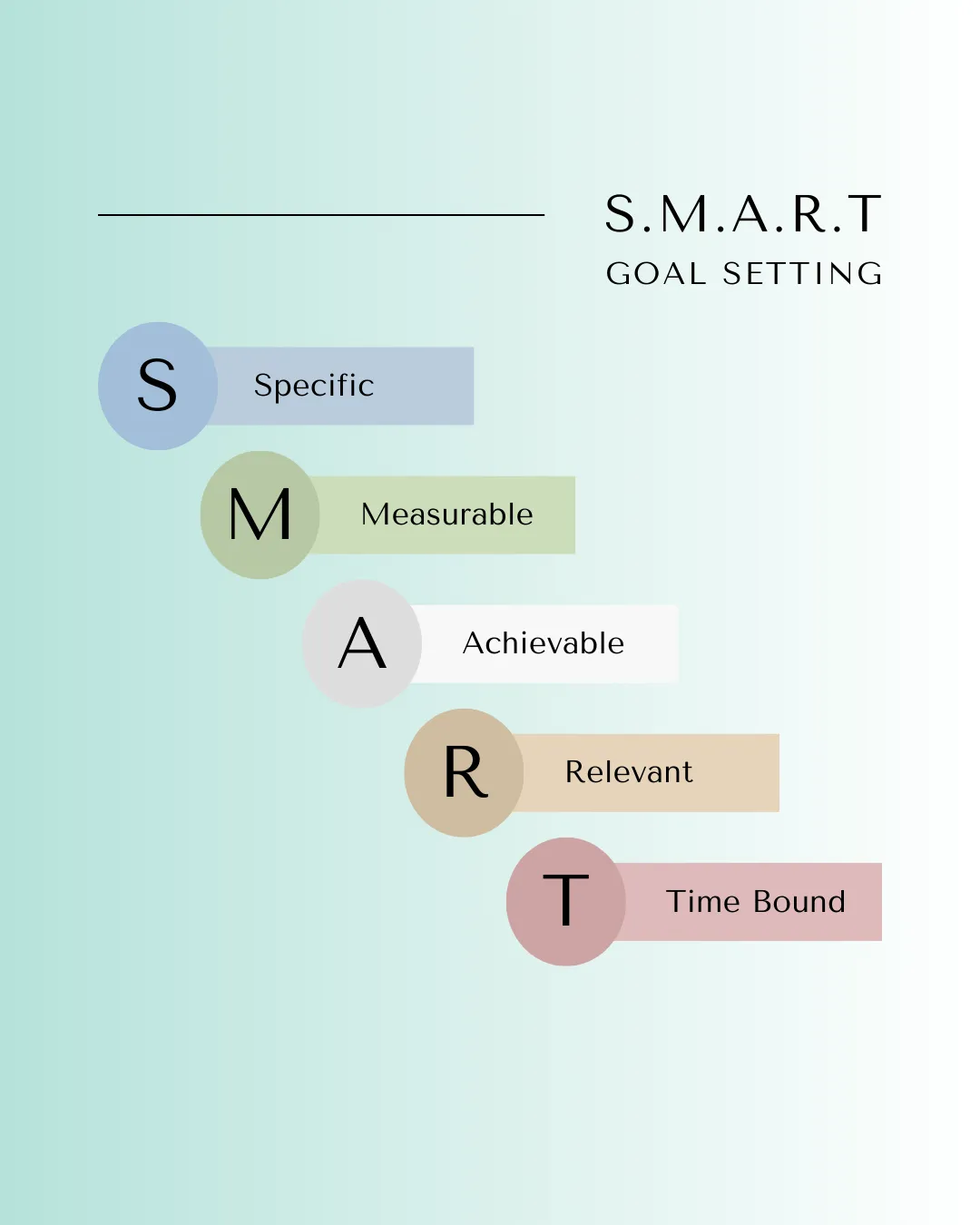
Reaching health goals can sometimes feel like a daunting task. But what if there was a way to make it easier and more effective? Enter the world of SMART goals. SMART stands for Specific, Measurable, Achievable, Relevant, and Time Bound. This method allows individuals to set clear and attainable steps towards better health. Let’s explore how implementing SMART goals can transform your health journey.
Why SMART Goals Matter
Goals give direction and purpose. When they are not well-defined, motivation can dwindle, and progress can halt. SMART goals provide a structured approach that transforms vague intentions into concrete plans:
- Specific: Knowing exactly what you want to achieve enhances focus.
- Measurable: Tracking progress encourages persistence and positivity.
- Achievable: Setting realistic goals prevents frustration and burnout.
- Relevant: Ensure the goal aligns with your personal values and needs.
- Time Bound: Assigning a deadline promotes urgency and adherence.
Setting SMART Goals
Let’s break down each element of SMART goals with practical examples:
1. Specific
When setting a goal, the first step is to make it specific. Instead of saying, “I will eat healthier,” define what “healthier” means to you. For example, “I will include at least three servings of vegetables in my lunch every day.” Specificity helps in staying focused and committed.
2. Measurable
Measurable goals provide a way to track progress. Ask yourself, “How will I know I have achieved it?” Using our previous example, you could measure success by marking off each day you include three servings of vegetables in a tracker or journal.
3. Achievable
Achievable ensures your goals are realistic. While it’s great to challenge oneself, setting unattainable goals might lead to discouragement. If three servings of vegetables daily feel overwhelming, start with one or two and build from there.
4. Relevant
Goals should feel relevant to individual priorities and passions. Eating healthily might be relevant if you want more energy or to feel more vibrant. Ask yourself if this goal truly aligns with your personal aspirations. The more relevant it is, the more motivated you’ll be.
5. Time Bound
By being time bound, goals have a set timeline, creating a sense of urgency. For instance, “I will include three servings of vegetables in my lunch every day for the next 30 days.” This provides a deadline to work towards and assess progress.
Tips for Achieving SMART Goals
- Write it Down: Document your goals where you can see them daily.
- Share with Friends or Family: Sharing can provide support and accountability.
- Review Progress Regularly: Regularly revisit your goals to update and adjust if necessary.
- Reward Yourself for Milestones: Celebrate small wins to stay motivated.
Conclusion
SMART goals are a powerful tool in the journey toward better health. They take dreams and turn them into actionable plans. By incorporating specificity, measurability, achievability, relevance, and time constraints, individuals can enhance their focus and improve their chances of success. Start small, stay committed, and embrace the positive changes that come with setting SMART goals. Transform your health journey one step at a time!
