How to Reframe Stress for Better Health
Reframe Stress: A Guide to Better Health
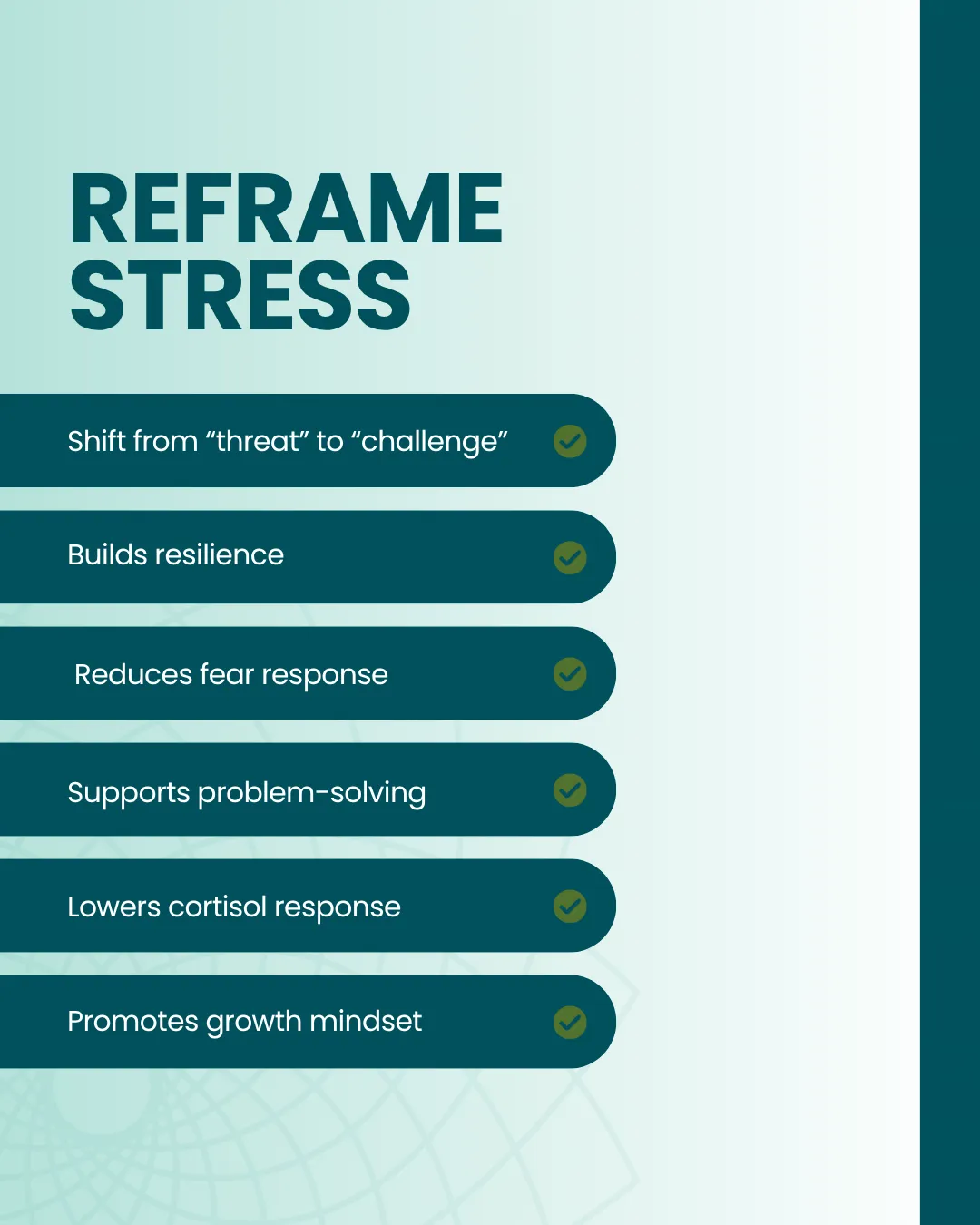
Stress is a common part of life, affecting people of all ages. While it might seem like the enemy, stress can actually be a tool for growth and health when viewed differently. The key is to reframe stress from a 'threat' to a 'challenge'. This simple mindset shift offers several benefits that can positively impact both mental and physical well-being.
Understanding Stress
Stress occurs when the body and mind respond to pressures or demands. This response can be emotional, physical, or both. Common causes of stress include school, work, relationships, and major life changes.
When stress is perceived negatively as a threat, it can lead to feelings of anxiety and worry. This perception can trigger the body's 'fight or flight' response, causing increases in heart rate, blood pressure, and stress hormones like cortisol.
The Power of Reframing Stress
By seeing stress as a challenge, rather than a threat, individuals can harness its positive aspects. This approach encourages one to tackle stress head-on, viewing it as an opportunity for personal growth and problem-solving.
Benefits of Reframing Stress:
- Builds Resilience: Viewing stress as a challenge helps develop the ability to recover from difficulties and bounce back stronger than before.
- Reduces Fear Response: When seen as a challenge, stress can lower feelings of fear and anxiety. People become more confident in their ability to handle tough situations.
- Supports Problem-Solving: This mindset encourages creative thinking and solutions. By focusing on challenges, individuals enhance their problem-solving skills.
- Lowers Cortisol Response: Stress viewed as a challenge can help maintain healthy levels of cortisol, reducing the negative impacts on the body.
- Promotes Growth Mindset: Emphasizing challenges over threats supports a growth mindset, where learning and improvement are central.
Practical Steps to Reframe Stress
- Identify Stressors: Begin by listing down what causes stress. Understanding specific triggers is the first step to managing them.
- Shift Language: Replace words like 'problem' and 'threat' with 'challenge' and 'opportunity'. This change in language can reshape thoughts and attitudes.
- Embrace Problems: Think of stressors as puzzles to solve. Break them into smaller, manageable parts to make them less overwhelming.
- Practice Mindfulness: Techniques like meditation and deep breathing can improve awareness and help in maintaining a calm mindset.
- Connect with Others: Talking to friends, family, or professionals can provide new insights and support in managing stress.
A Path to Healthier Living
Reframing stress does not eliminate challenges, but it transforms how one responds to them. By viewing stress as a challenge, it becomes a catalyst for personal growth, strength, and resilience. It encourages a proactive approach, where each stressor is an opportunity to learn and improve.
This shift in mindset can lead to a healthier lifestyle, where stress becomes a friend rather than a foe. Over time, it cultivates habits that support mental and physical health, preparing individuals to face life’s uncertainties with confidence and courage.
Start today by embracing challenges and see how this simple change can transform your life.
For more personalized health support, consider reaching out to professionals who can guide you in cultivating these positive changes. Remember, true health is achieved by working through life's challenges, one step at a time.
