Understanding Elimination Diets for Better Health
Understanding Elimination Diets for Better Health
Elimination diets have become a popular strategy for many looking to improve their health and well-being. These diets are not about deprivation but rather about understanding your body's unique needs by identifying which foods work for you and which ones do not. Let's explore how elimination diets can pave the way to a healthier life.
What is an Elimination Diet?
An elimination diet involves removing certain foods or food groups from your diet and then gradually reintroducing them to identify any adverse reactions. It is an effective way to pinpoint food intolerances, allergies, or sensitivities that may be affecting your health.
Benefits of an Elimination Diet
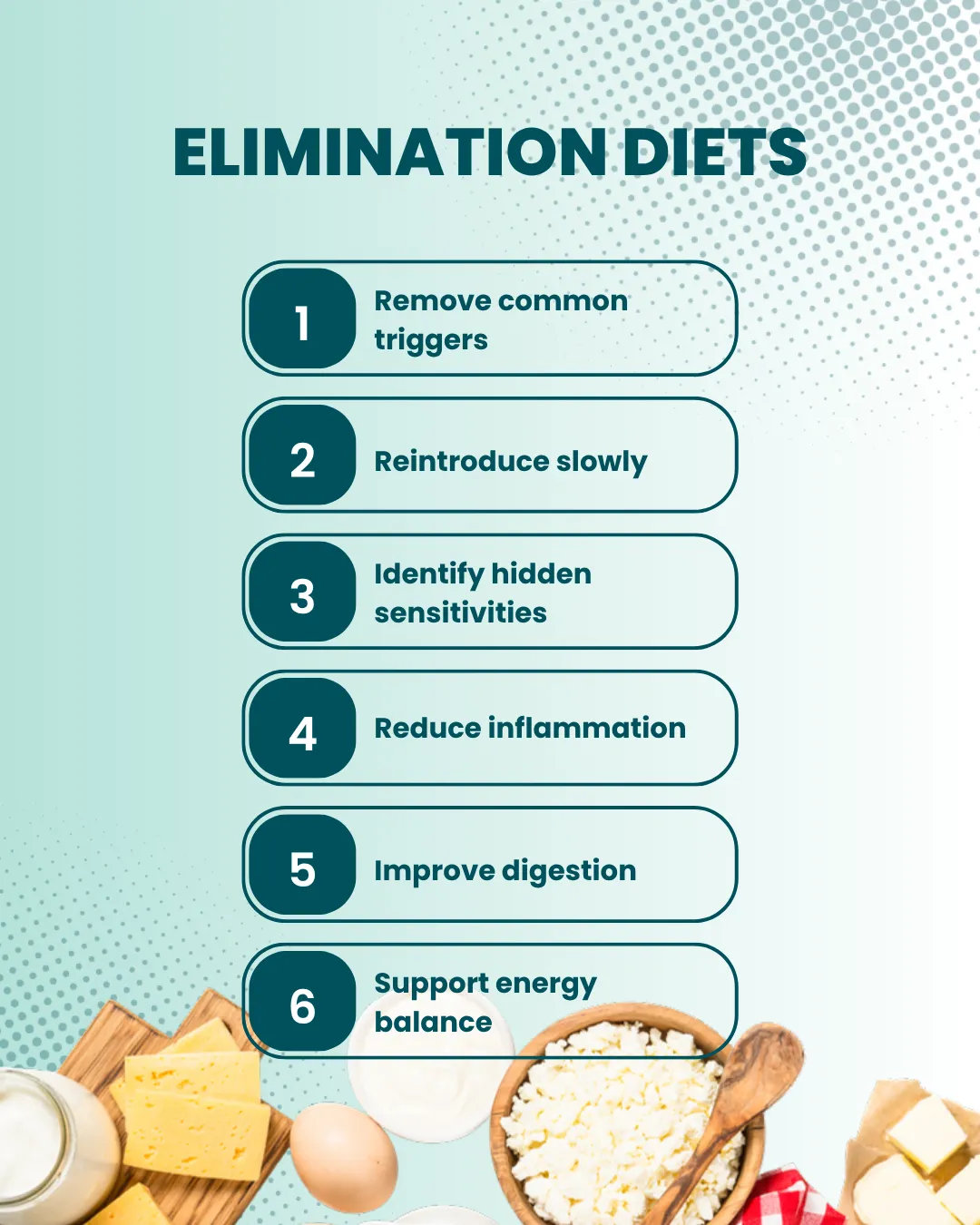
- Remove Common Triggers: Common triggers include foods like dairy, gluten, soy, nuts, and eggs. By eliminating these, individuals can observe whether symptoms improve.
- Reintroduce Slowly: After a few weeks, reintroduce foods one at a time to monitor reactions. This helps in isolating the specific food causing problems.
- Identify Hidden Sensitivities: Some food reactions are subtle. This diet helps in uncovering hidden sensitivities that might be overlooked otherwise.
- Reduce Inflammation: Chronic inflammation is linked to various health issues. Elimination diets can reduce inflammation by removing problematic foods.
- Improve Digestion: Symptoms like bloating, gas, or stomach pain can be alleviated by avoiding foods that irritate the digestive system.
- Support Energy Balance: Eating the right foods can boost energy levels and overall vitality.
Steps to Undertake an Elimination Diet
- Preparation: Prior to starting, make a list of foods to eliminate. Consult a healthcare professional if needed.
- Elimination Phase: Remove the identified foods from your diet for 4-6 weeks. Keep track of any changes in your symptoms.
- Reintroduction Phase: Slowly reintroduce the eliminated foods one by one every few days while watching for any adverse reactions.
- Maintain a Food Diary: Document everything you eat and any symptoms you experience for better insights.
- Conclusion: Based on your findings, create a balanced diet plan that works best for your body.
Things to Consider
Before starting an elimination diet, consider the following tips:
- Consult with a nutritionist or doctor especially if you have pre-existing health conditions.
- Be patient—food reactions can take time to become evident.
- Ensure nutritional balance to avoid deficiencies during the elimination phase.
Conclusion
Elimination diets are a powerful tool to help understand your body’s relationship with food. By systematically removing and reintroducing foods, you stand to gain valuable insights that pave the way towards enhanced health and a greater sense of well-being. Whether you're looking to improve digestion, reduce inflammation, or simply find more energy, an elimination diet might be the key to unlocking a healthier you.
Consider embarking on this journey with professional guidance and embrace the potential for positive change.
