Understanding Food Sensitivity Symptoms
Understanding the Symptoms of Food Sensitivity
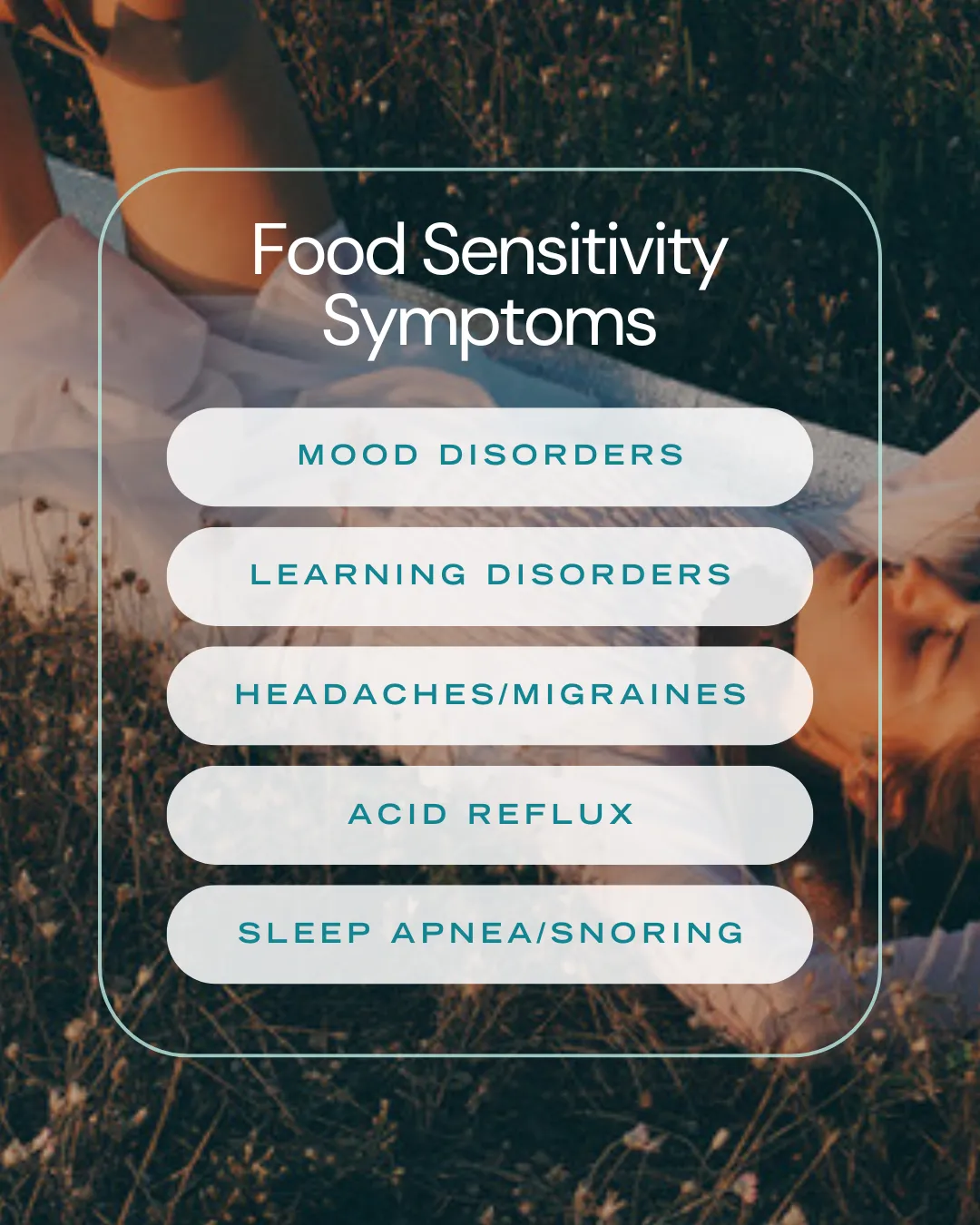
Have you ever felt unwell after eating certain foods and wondered if there might be more to it? Food sensitivity is something that can impact many areas of our lives. It can influence how we feel, think, and even sleep. Today, we'll explore the five key symptoms associated with food sensitivity and how they can affect our health.
1. Mood Disorders
Mood disorders can range from feeling anxious to experiencing depression. Did you know that the foods you eat might play a role in your mood? When someone is sensitive to a specific food, it can cause changes in their mental well-being.
How It Happens:
- Foods can lead to imbalances in the gut.
- Gut imbalances can affect brain chemicals.
- This may result in mood swings.
Listening to your body and being mindful of what you eat can help identify triggers.
2. Learning Disorders
Learning disorders can make concentrating and learning challenging. Some children and adults experience difficulties because their bodies react to certain foods.
The Connection:
- Some foods may cause brain fog.
- This affects concentration and memory.
- Addressing food sensitivities might improve focus.
If your child is struggling at school, consider exploring the possibility of food sensitivity.
3. Headaches and Migraines
Frequent headaches or migraines can significantly disrupt daily life. If you're experiencing these symptoms, it's essential to consider possible food triggers.
What to Look For:
- Certain foods can cause inflammation.
- This inflammation leads to headaches.
- Identifying and avoiding triggers can offer relief.
Keep track of what you eat to see if certain foods cause problems.
4. Acid Reflux
Acid reflux is another common symptom of food sensitivity. It's characterized by a burning sensation in the chest.
Understanding Acid Reflux:
- Some foods irritate the stomach lining.
- This results in increased acid production.
- Identifying offending foods can reduce symptoms.
Pay attention to when reflux occurs, especially after certain meals.
5. Sleep Apnea and Snoring
Sleep apnea and snoring can affect the quality of sleep. Sometimes, these are linked to food sensitivity.
How Diet Impacts Sleep:
- Certain foods can cause swelling in airways.
- This swelling can make breathing difficult.
- Eliminating trigger foods might improve sleep.
If you or someone you love snores, consider examining diet changes.
Conclusion
Recognizing food sensitivity symptoms is the first step toward improving your well-being. By understanding how food affects mood, learning, headaches, reflux, and sleep, you can take control and make positive changes.
Next Steps
- Keep a food diary to identify patterns.
- Consult with a healthcare provider for proper testing.
- Work on creating a balanced diet tailored to your needs.
Taking these steps can guide you toward a healthier, more comfortable life.
